
At Sphere, Are You Buying a View of the Stage or Screen?
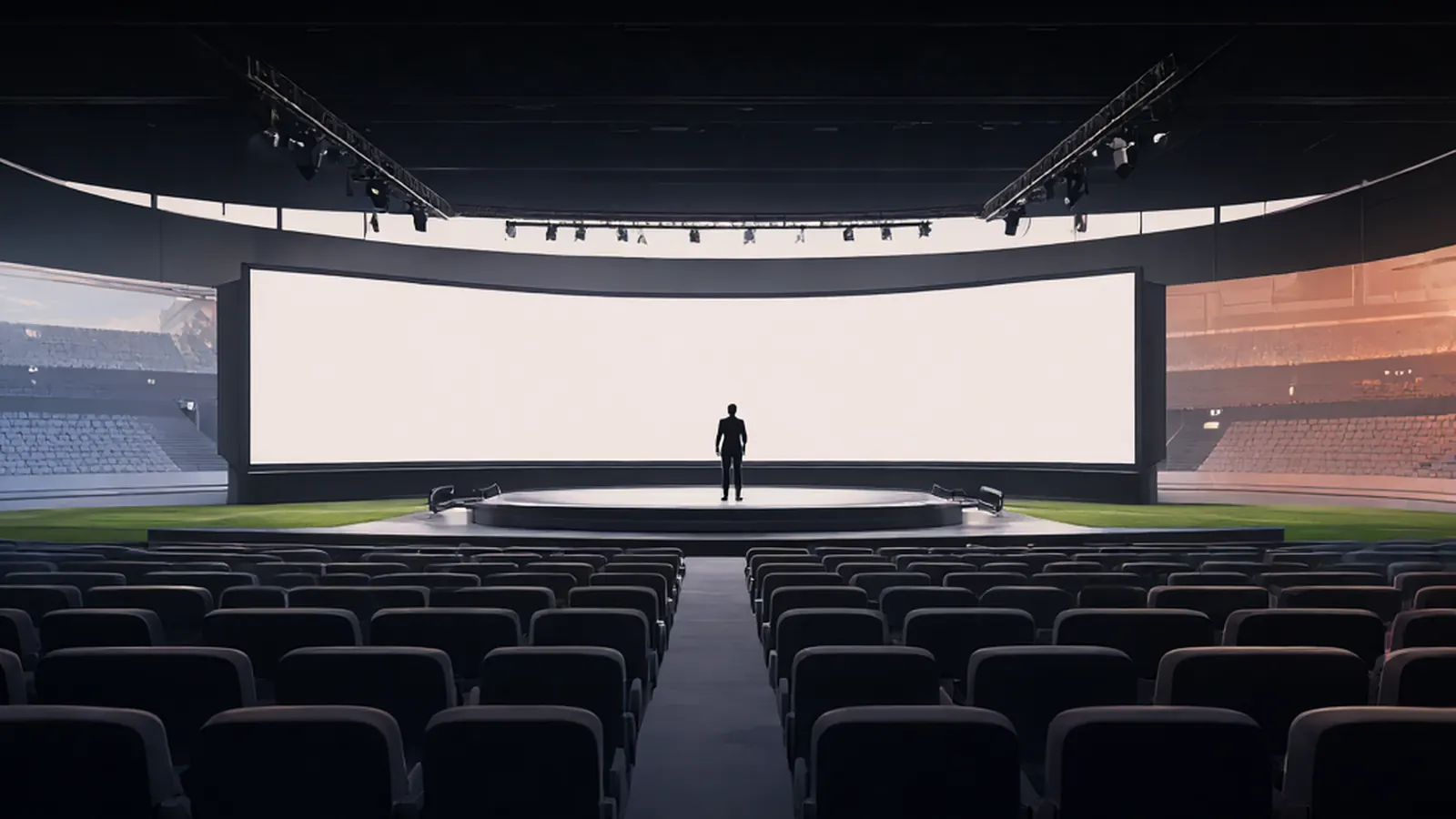
Ask two fans of Sphere what they came to see, and you may get two different answers. One wants to watch a performer on a stage. The other bought the ticket for the display itself, the immersive production that fills the room with light, sound and motion. Both are right, and both are buying at the same venue, because at Sphere the seat question is not "which side is better." It is "what am I actually here to see, and does this seat serve that?" Compare Sphere listings for your event with that question in hand, and the seat map starts to make sense.
Two formats, one bowl
Sphere hosts very different kinds of shows, and the venue documents the difference. A concert puts a performer in front of you, with the displays serving the act. An immersive production flips the emphasis: the environment is the show, with elements that can include seat haptics, movement sensations, flashing lights, loud noises, and atmospheric effects like fog, wind, mist and scent, depending on the event. The same row of seats can be excellent for one format and a poor fit for the other, which is why no universal "best section" exists, and why anyone selling you one is selling a guess.
That is also why the event matters more than the venue here. The list of elements is per production, and the venue tells you to check your event page for what that show actually includes. Do that first. Everything else in this post assumes you already know which format you bought.
Four separate questions a seat answers
Keep these apart. They are different questions, and collapsing them is how people buy the wrong seat for the right reason.
- Stage angle. For a live act, you want the performer, so the seat should frame the stage with the least distortion. The farther and more angled you sit, the more the view leans on the screens to compensate.
- Potential overhang. Some structures in a venue can block the sightline from particular seats, so a seat that looks fine on a generic map can be wrong for your row. Ask about overhang for the exact section and row you are weighing, and read the listing note for any restricted-view language.
- Screen coverage. For an immersive production, the display is the content. The question flips: how much of the environment does this seat fill, and does the production treat the screens as the primary picture?
- Viewing comfort. Head angle, distance and how long you hold the posture. A spectacular seat that aches at minute forty is a worse seat than a quiet one you can sit in for the whole run.
None of these has a universal answer at Sphere, and the venue's own materials will not rank sections for you, because the honest answer depends on the production. The worksheet below keeps the four questions separate so you can answer them for your event.
The worksheet
| Event format | Your priority | Listing note | Official map check |
|---|---|---|---|
| Concert or immersive show | Stage, screen or comfort | What the seller states for that seat | The map for this exact event |
The last column is the one people skip. A venue's general map shows the building, which is static. The production's map, or the seller's note tied to a specific production, is what tells you what that seat sees on that night. Compare the two, and where they disagree, trust the event-specific one.
What the venue itself tells you
Some of Sphere's policies are documented plainly, and they change how a seat works in practice. The venue's FAQs state that Sphere uses mobile tickets only, that guests can display more than one ticket on the same smartphone, and that the onsite concierge opens at least one hour before start. It is a cashless venue, a no-bag facility, and it does not allow cameras, tripods or laptops inside. All exits are final, with no re-entry, so plan the night as one continuous block. Entries matter too: standard admission walks in over the Venetian Bridge, while Director's Seat Packages use a dedicated west VIP entry, and the venue asks guests to arrive early because street closures add travel time. Parking exists on site and in nearby garages, and rideshare drop-off sits at the corner of Manhattan Street and Westchester Drive. None of that is a seat decision, but all of it is part of what the seat costs you in the evening, and the venue maps are the right place to check the rest.
Questions fans ask
Is a good concert seat also good for an immersive show?
Not necessarily. A seat chosen for stage framing can be exactly wrong for a production where the display is the content. Decide the format first, then answer the seat questions for it.
What does an overhang affect?
The sightline from specific seats. Structures above or in front of a section can block or angle the view, so ask about it for the exact section and row, and check the listing note.
Can a map tell me the entire view?
A general venue map shows the building. The production's map, or a seller note tied to that production, is what reflects the stage or display setup for that event. Use the event-specific one.
Where should I check a listed restriction?
In the listing notes, before checkout. Restricted or partial view language belongs there, and it is the note you want to read before the price matters.
Decide what you came to see, run the four questions for that answer, and check the event map before you trust a row. Browse Sphere listings for your date, look across Las Vegas events if the night needs a second act, and buy with confidence: every order on StubOrder is backed by our 100% Buyer Guarantee.
