Your First Dodgers Game at Dodger Stadium: A Fan's Guide
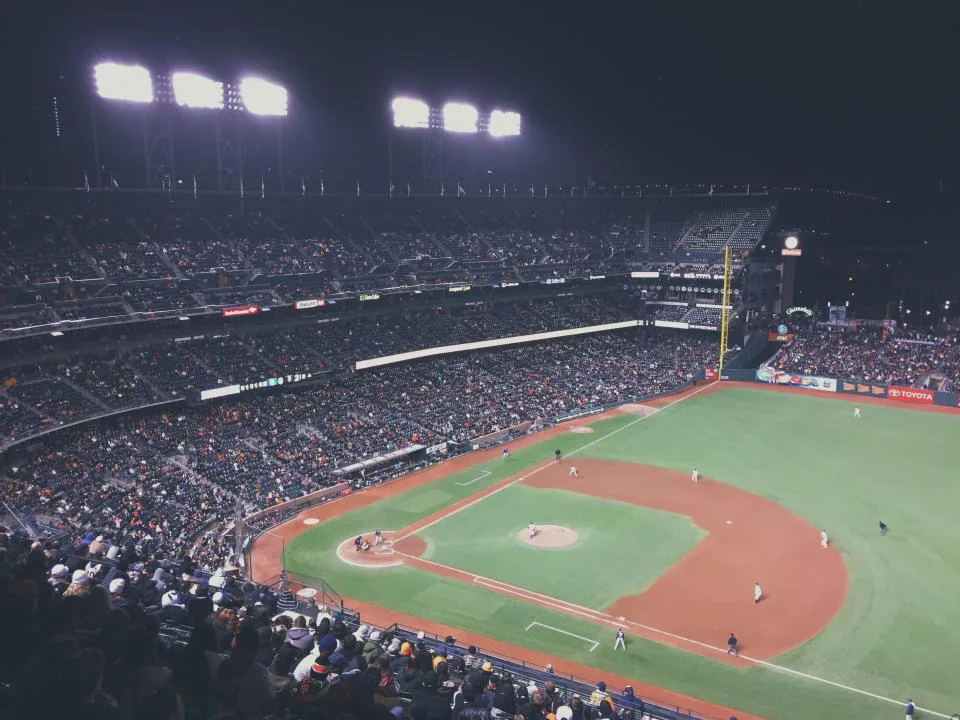
There's nothing quite like stepping into Dodger Stadium for the first time. Perched above Chavez Ravine with the San Gabriel Mountains framing the outfield palms, it ranks among the most scenic ballparks in baseball and one of the oldest still in regular use. If a Los Angeles Dodgers game is on your list, a little planning goes a long way. Here's how to choose your seats, time your arrival, and soak up the atmosphere like a regular.
Arrive Early and Beat the Ravine
Dodger Stadium sits in a hilltop park with entry gates spread across different levels, and traffic in and out of Chavez Ravine can crawl near first pitch. Give yourself extra time. Gates typically open a couple of hours before the game, which is the sweet spot for first-timers.
Getting in early lets you:
- Watch batting practice and maybe snag a ball
- Walk the outfield plaza and take in the views before the crowds build
- Find your section without rushing
- Grab a Dodger Dog before the lines stretch out
Know Your Seating Tiers
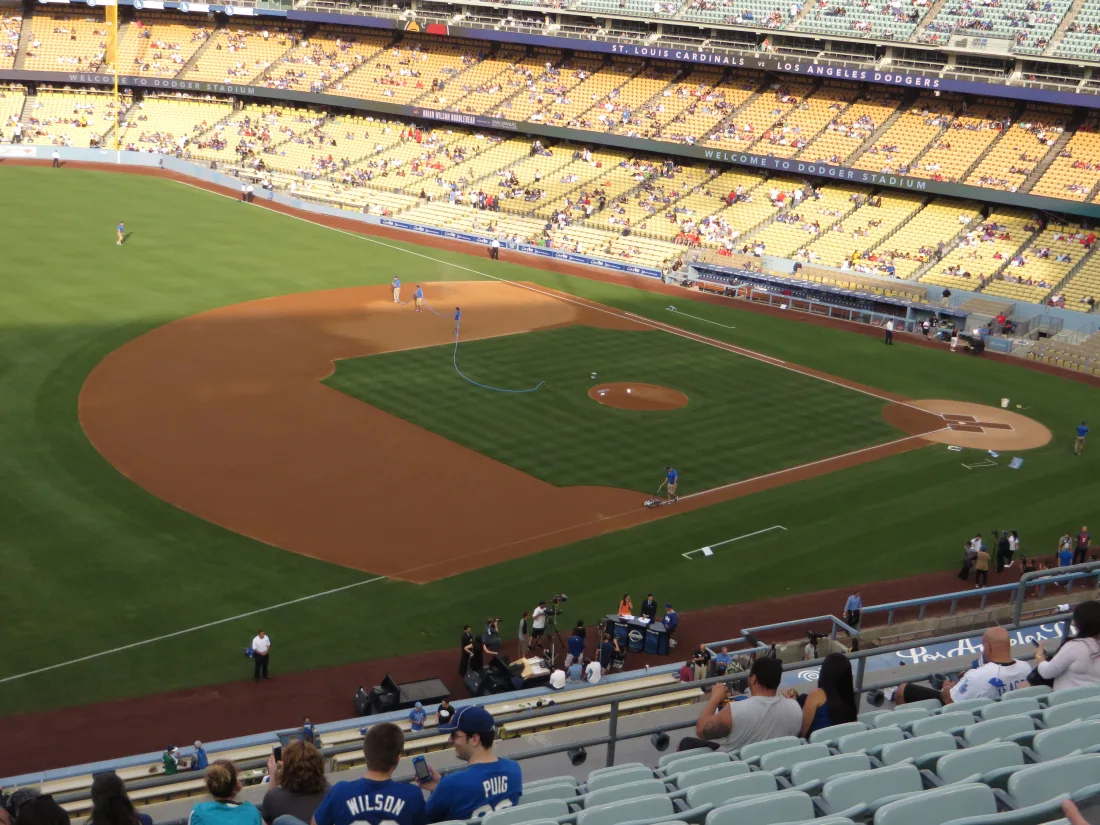
The stadium is built in stacked tiers, so the level you pick shapes your whole night. From the field up, here's the lay of the land:
- Field Level: Closest to the action, great for seeing players up close and typically the priciest.
- Loge Level: A step up with strong sightlines and a bit more shade.
- Reserve Level: The wide middle tier, a solid balance of value and view.
- Top Deck: The highest seats, budget-friendly, with sweeping panoramas of downtown LA and the mountains.
- Pavilions: The outfield bleachers behind the walls, lively and social, right in the home-run zone.
There's no single "best" seat. The third-base side catches the sunset, while first-base and outfield seats often feel more relaxed. Compare a few tiers and see what fits your budget and the view you want.
Soak Up the Vibe
Part of the fun is the setting itself. The sun dips behind the stadium as the game rolls on, the crowd hums, and the between-innings traditions keep things moving. A few things worth knowing:
- The Dodger Dog is a rite of passage, grilled or steamed, your call.
- Fans famously drift in a little late and leave a little early, but the middle innings are electric.
- Bring a light layer, since evenings can cool off once the sun is down.
Planning Your First Game
Prices vary by opponent, day of the week, and how close to the field you sit, so it pays to look around. Weekday games and less marquee matchups often list for less than weekend series. You can browse MLB baseball listings or explore more events in Los Angeles while you plan.
When you're ready, compare listings for Los Angeles Dodgers tickets across seating tiers to find seats that match your budget, and every order is backed by the 100% Buyer Guarantee. Take in the view, grab a Dodger Dog, and enjoy your first night at Chavez Ravine.
How a Dodgers Season Is Shaped
Major League Baseball plays a 162 game regular season, half of it at home, which makes a ballpark visit a far lower stakes decision than in a sport with eight or nine home dates a year. There is almost always another game. In our current catalog the Dodgers' home dates run from late March through late September, with something in every month between and the fullest months of the 2027 slate falling in May and August.
The unit of a baseball schedule is the series, not the single game. A visiting club arrives for two, three, or four straight days and then leaves, so a homestand is really a run of short blocks strung together. That is useful when your travel dates are fixed: land in Los Angeles in the right week and you can see the same opponent on consecutive nights, or catch the changeover as one club leaves and the next arrives. As the catalog stands, the 2027 home slate opens in the last week of March with Atlanta and then Minnesota in town.
One naming quirk worth flagging, because it can be confusing on a listing page: the ballpark is catalogued as UNIQLO Field at Dodger Stadium, and its venue page sits at tickets at UNIQLO Field at Dodger Stadium. Same hill, same palms, same Chavez Ravine.
Everybody Comes Through Chavez Ravine
Across the Dodgers dates in our catalog, all 29 other Major League clubs appear at least once. That is the balanced schedule at work, and it means a first visit can be built around almost any opponent you care about rather than whichever team happens to be in the division.
The division rivals still dominate the count. The Dodgers share the National League West with four clubs, and those four turn up far more often than anyone else:
- San Francisco Giants: the most frequent opponent in the catalog, in a rivalry that predates both clubs moving west from New York in 1958
- San Diego Padres: the shortest divisional trip, straight down the coast
- Arizona Diamondbacks: a short hop to Phoenix and a common road trip pairing
- Colorado Rockies: the mile high outlier of the group
Behind them, the Cincinnati Reds, Chicago Cubs, Milwaukee Brewers and New York Mets show up most often among the rest. The Los Angeles Angels appear as well, in the interleague Freeway Series, the shortest road trip either club makes.
Following Them on the Road
Plenty of people plan a baseball trip the other way round, picking the city first. Our catalog puts Dodgers road dates at two dozen ballparks, spread across 24 cities in 17 states, which makes them one of the easier clubs to catch away from home.
The deepest road stops are the ones the division dictates. Coors Field in Denver carries the most listings, followed by Oracle Park in San Francisco and Chase Field in Phoenix, then Petco Park in San Diego, Great American Ball Park in Cincinnati and Wrigley Field in Chicago. Two of those are destinations in their own right: Wrigley is one of the oldest ballparks still in use in the majors, and Coors Field plays a mile above sea level, which does noticeable things to a fly ball. For a Los Angeles fan the shortest trip of all is Anaheim's Angel Stadium.
Choosing Which Date to Aim For
With that many home dates the question is rarely whether you can go, it is which night to pick. A few distinctions hold up year after year, none of them tied to how the club happens to be playing:
- Opening week: the first homestand of a season carries ceremony that a July Tuesday does not.
- Weekend series: three games in three days, which suits anyone flying in for a short trip.
- Sunday afternoons: a day game shows off the setting, the palms and the mountains beyond the outfield, in a way a night game cannot.
- Divisional visits: the Giants, Padres, Diamondbacks and Rockies come through repeatedly, so if the rivalry is the draw you get several attempts a year.
- Late September: the catalog has the Dodgers at home into the second half of the month, and games in that window carry weight when a race is close.
Once you have a window in mind, the full run of dates sits on the Dodgers schedule, and the rest of the league is one level up at MLB baseball.
The numbers behind this: see live Los Angeles Angels ticket price data, updated hourly and free to cite.
Image credits
Image credits: Rob Bye / CC0 via Stocksnap · Ken Lund from Reno, Nevada, USA / CC BY-SA 2.0 via Wikimedia.