
Accessible Event Seating: Plan the Whole Visit First
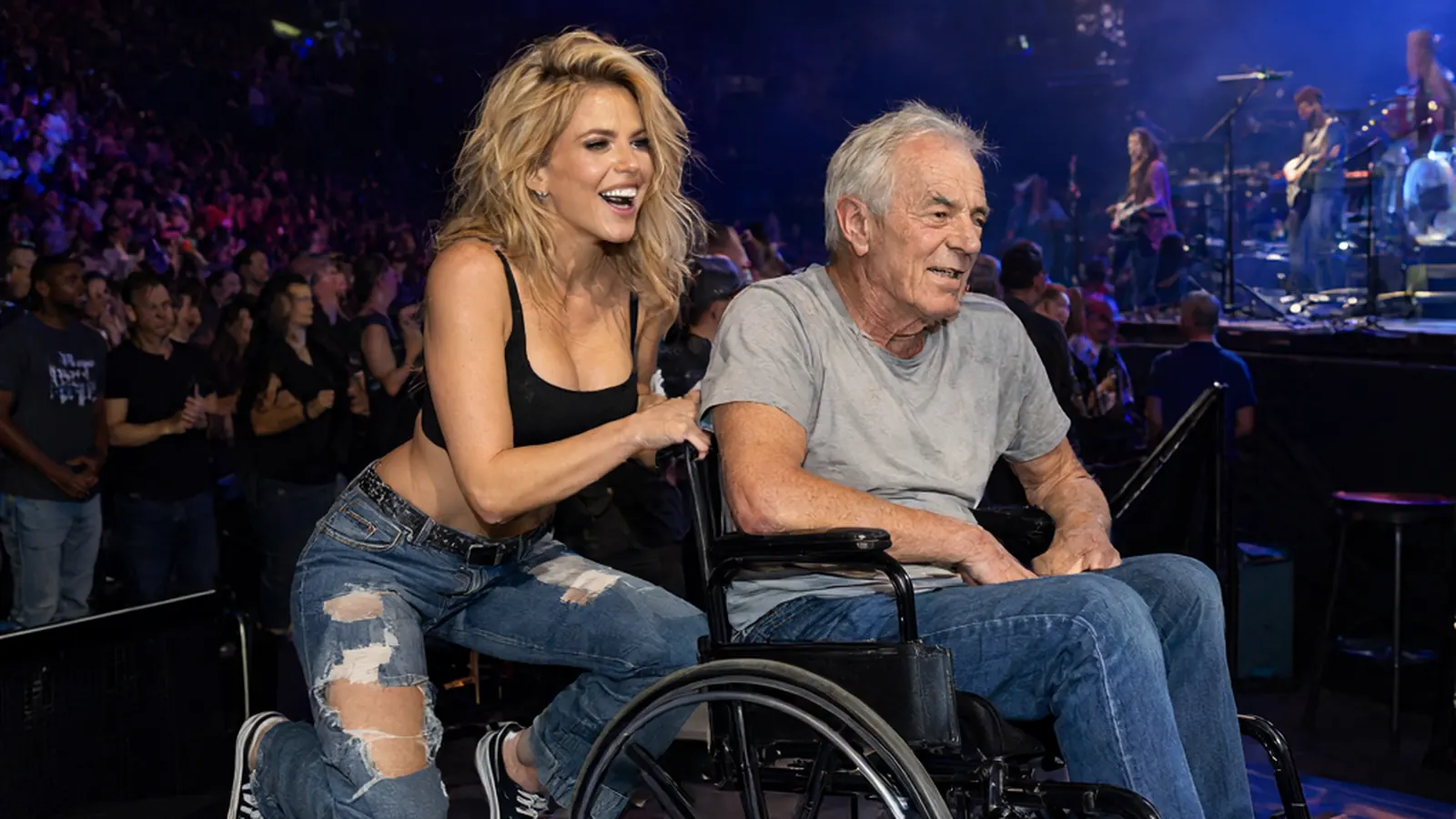
Picking a row is the easy part. The question that decides whether the visit works is bigger: can everyone in your group reach that seat, sit the way you planned, and get through the night without an obstacle you did not budget for? Accessible seating is not one feature. It is a set of features, a set of routes, and a set of services, and they fail independently of each other. Start at the accessible seating page, which explains how shopping works, and use this post to plan the visit in the right order.
Four different things you are actually buying
The word "accessible" compresses four separate questions, and a listing note that answers one may say nothing about the others.
- Seat features. What the seat itself does: space for a wheelchair, a transfer seat, sightline and entry into that specific row.
- Companion seating. The seats beside the primary one, so a traveling companion or caregiver sits with the group instead of across the concourse.
- Accessible routes. The path from drop-off to seat: entrances, elevators, escalators, concourse width, and the route home again when the lights come up.
- Other services. What the venue operates that night: listening devices, captioning, sensory space, assistance on request.
A seat can be perfect and its route a struggle, or vice versa. Plan all four, in that order, and the visit holds together.
The buyer checklist, in walking order
Work from the curb inward, because that is the order you will experience it.
- Drop-off to door. Where will you actually be dropped, and is that entrance on an accessible route? The grandest door is useless if it is not the one your car can reach.
- Door to seat. Which elevators serve your level, and does the venue document them? At KeyBank Center, for example, the arena's accessibility guide states that all entrances are accessible with powered main doors, and the elevator in the Pavilion stops at all levels, while the one by the security office stops at all levels except the 300 Level. That is exactly the kind of detail to confirm for your venue.
- Seat and companion options. Read the listing notes for what is offered, then confirm the specifics with the venue or the marketplace before you buy. Assume nothing about a particular event's layout, because layouts change by production.
- Restrooms and concessions. Accessible facilities exist on multiple levels in most arenas, but the one closest to your seat is the one that matters. Ask, and name the level.
- Assistance contacts. Find the venue's accessibility or guest services line before the night, not at the gate. A number you already have is a plan; a search you do at 7:55 is not.
- Services that night. Listening devices, captioning and sensory accommodations are venue-run and event-specific. KeyBank Center, for instance, offers assisted listening devices free of charge at Guest Services and shows live captioning on the end zone boards during games. Confirm the same for your event.
Who answers what: a source hierarchy
Three sources, in the order to trust them for each job.
| Question | Source that answers it |
|---|---|
| How do I get in and move through the building? | The venue's own accessibility guide or access page |
| What does this specific listing offer? | The listing notes, read carefully before checkout |
| How do I shop for it, and what is unclear? | StubOrder's accessible seating help |
The venue documents the building. The seller documents the inventory. The marketplace connects the two and answers what the notes leave open. Ask each one the question it is actually equipped to answer, and none of them will stall you.
When a listing note is unclear
Unclear is a state, not a verdict. A note that says "accessible" without saying more tells you the seller flagged it, not what you will get. Do not infer eligibility, quantities or rights from silence, and do not let anyone sell you a certainty the venue has not stated. The move that always works: send the specific question, with the event and the listing in hand, to the accessibility help channel on StubOrder's accessible seating page before you pay, and again after delivery if the seat you receive does not match the note. You are not asking for a favor. You are asking for the product you described to be the product that shows up.
Questions fans ask
How do I check for a step-free route?
With the venue's accessibility guide, for your specific building and level. Ask about the exact path from your drop-off point to your seat, door to row.
Can I confirm companion seating before buying?
Ask. The listing note may state it, and if it does not, the accessibility help channel is the place to confirm it for that event before checkout.
Whom do I ask about ambiguous listing notes?
StubOrder's accessibility help, with the event and listing details. For building-level facts like elevators and entrances, the venue's own guide is the authority.
Do venue setups change by event?
Yes. Stages, production layouts and service points move between productions, so confirm the current event's setup rather than trusting last season's map.
Plan the route before the row, confirm the note before the charge, and ask before the night instead of waiting for the gate. Browse theatre tickets or any event page with the checklist in hand, and buy with confidence: every order on StubOrder is backed by our 100% Buyer Guarantee.
